
Tree Trimming · Kansas City, MO
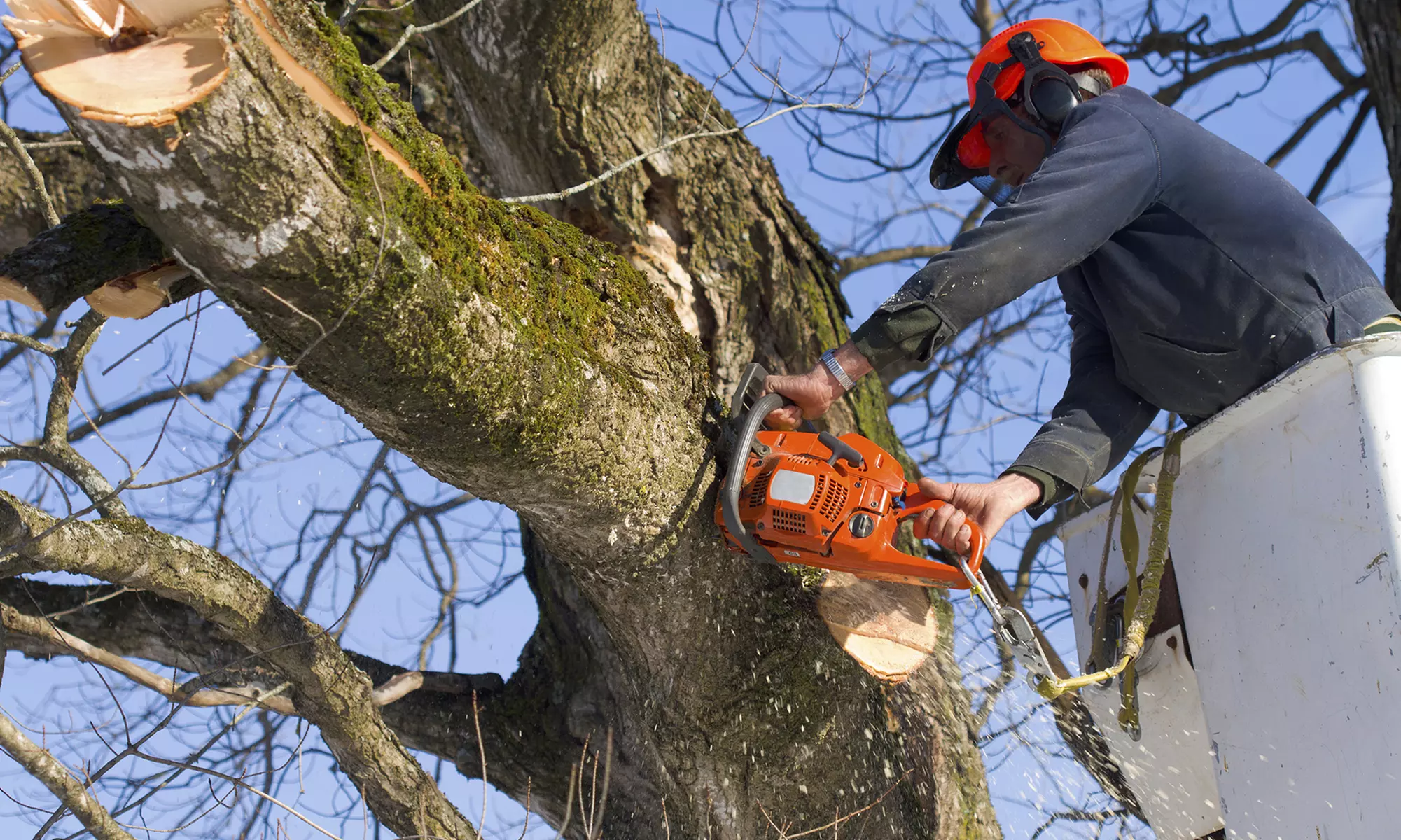
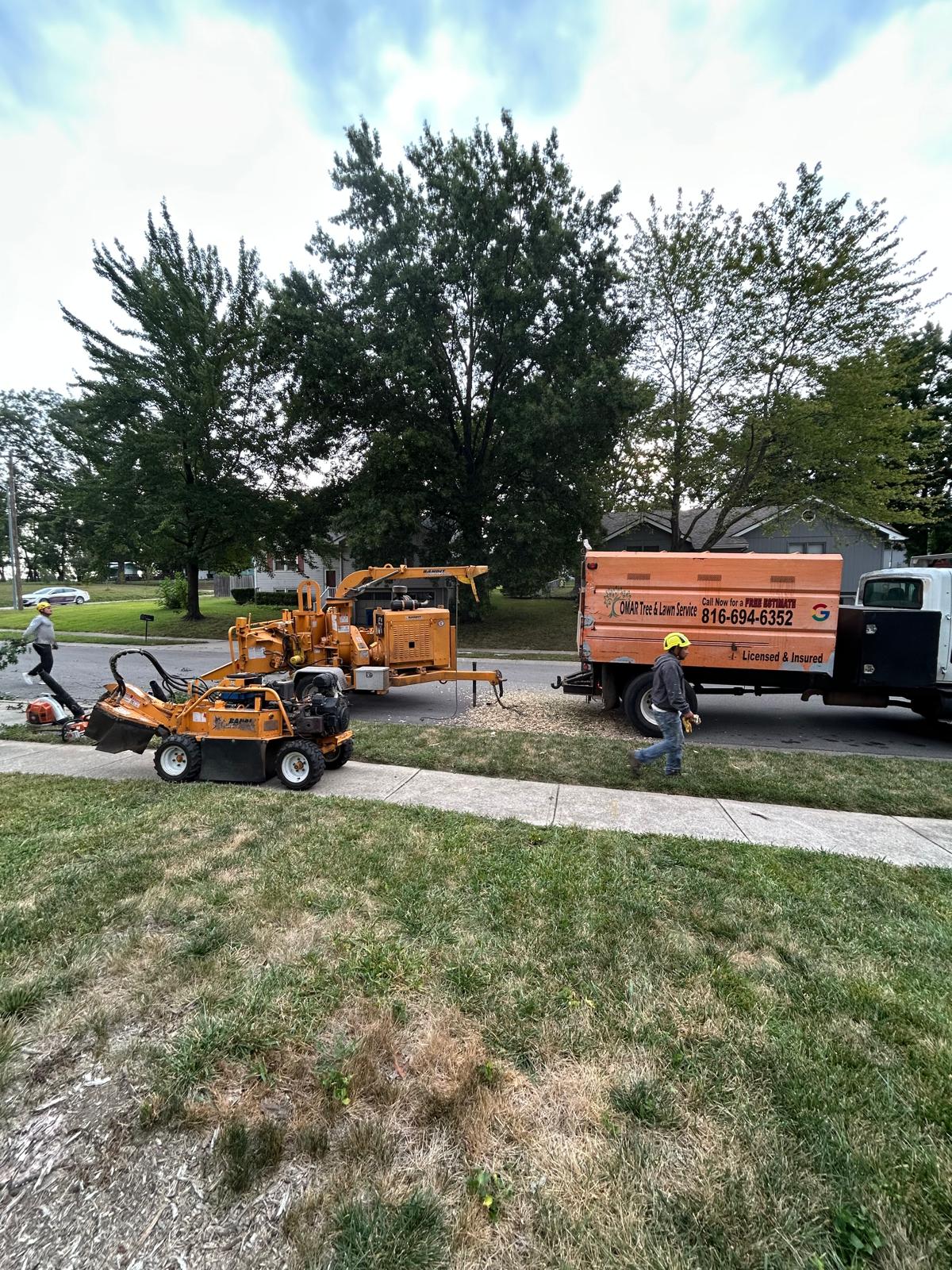
The hardest part isn’t taking the tree down — it’s making sure your house, fence, and garden stay untouched. Our ISA-certified crew has done this hundreds of times. We plan every cut before we make it.
"*" indicates required fields

The Question Every Homeowner Asks
What We Do
Our Work Across Kansas City

The Owner
Jose Omar Maldonado started Omar Tree Service in 2014 with one commitment: to do the job right, clean up completely, and treat every customer’s property like it’s his own. Over a decade later, that’s still how every single job gets done.
When you hire Omar Tree Service, Jose personally oversees the work. He’s the one who picks up the phone, assesses your situation, and makes sure you’re satisfied before the crew leaves your driveway.
Kansas City Trimming Guide
Best Time
The ideal window for most KC trees. The tree is dormant, so trimming causes minimal stress. Disease-spreading insects are inactive, wounds seal faster in spring, and you can clearly see the branch structure without leaves in the way.
Acceptable
Avoid
Any Time
Late winter only (Dec–Mar). Never trim April–June — peak oak wilt beetle season in KC. A fresh cut in spring can kill an otherwise healthy oak.
Avoid August. Dutch elm disease beetles are most active mid-summer in KC and are attracted to fresh elm wounds. Winter trimming is safest.
Late winter / early spring before bud break. This maximizes fruit production and keeps the structure strong enough to support a full crop.
Late winter before sap flows. Maples "bleed" sap heavily if trimmed in spring — not fatal, but stressful. February is ideal.
Right after they finish blooming. Trimming before bloom removes the flower buds you've been waiting for all year.
Late spring after new growth has appeared. Light shaping works any time, but structural work is best done before the heat of summer.
Know When to Call
Most tree problems are easier and cheaper to address early. If any of these describe your trees, it’s worth a free estimate.
🏠
💀
⚡
📅
🌞
👀
Know the Difference
Most companies use these words interchangeably. They’re not the same. Understanding the difference helps you ask for — and get — exactly what your trees need.
Tree Trimming
Trimming is primarily about controlling size, shape, and clearance. We remove branches that are too long, too close to your home, or disrupting the tree’s visual balance. It’s the right service when the concern is aesthetic or structural clearance.
Tree Pruning
Pruning is a medical intervention for the tree. We remove dead, diseased, or structurally dangerous branches to improve the tree’s long-term health, prevent disease spread, and correct growth patterns before they cause problems.
Not sure which one your trees need? Get a free estimate — Jose will assess and explain.
What KC Homeowners Say
It’s not just about having a chainsaw. It’s about what happens from the moment you call to the moment we leave your driveway.
 Posted on Google
 Whitney Davidson
Trustindex verifies that the original source of the review is Google.
Omar and his crew were incredible!!!!!!! Their service exceeded my expectations in every way! They were able to work us in their schedule quickly, showed up on time and made swift work of "trimming" our trees. Actually, "trimming" doesn't do justice to the amount they took off my trees!! I have never had sunshine on my grass in our front yard and after they left, we had beautiful rays shining through the tree tops--it was glorious! They took out an entire tree --including the stump. They had ten crew members working furiously and the clean up was spotless!! I truly thought i would have to replace some of my hydrangeas and boxwoods, but there was barely a scratch to my landscaping. I can't recommend this crew highly enough!Posted on Google Joanne PiperWe've hired Omar Tree Services on 3 separate occasions for tree trimming and cleanup after storms. Omar and his team are highly skilled and respectful of the property. They are able to remove 90ft trees without damaging any nearby property. Pricing was very fair as well. Will be using Omar's Tree service again!Posted on Google
 Travis BrownHoly crap they did a great job & the speed in which it was done is mind boggling. Less than 3 hours to clear a 30ft tree. Grind the stump. Clearing a tree from another property that the top 1/3 of it fell into my yard. Another 10ft of tree I'm guessing. And they cleared the deck of all the tree carnage from the 30ft falling into it. And they somehow vacuumed my yard & left it looking better than it did before the storms on Monday night!! All for thousands less than another company that gave me a quote, said it would take 2 DAYS, & they'd destroy part of my yard with machinery. I would give them 10 stars across the board of I could! Adding before & after pics.Posted on Google
 Brogan RunionThe crew did a fantastic job of removing two large trees. One was between houses and fences. They did an excellent job of making sure everything was protected and safe. Would call again.Posted on Google
 Molly DaviesOmar’s Tree service was amazing!!! They did a very difficult tree removal of a giant maple 70’+ between my house and neighbors garage. It was a huge day. They trimmed two other trees as well. The crew was fantastic! Thank you again for such a great service. The guys are great, very professional and super neat. Highly recommend Omar’s tree service to anyone in Brookside or anywhere in KC!!!! MollyPosted on Google
 Hannah DoranWe lost a few trees during a late Friday night storm. I sent an estimate request to Omar at 1 in the morning. Omar had an estimate ready for me at 6am, sent someone out at 11am and had the project finished before 1:30- all last minute on a Saturday. Amazingly fast service, great communication and thorough work. I highly recommend these guys!Posted on Google
 Cathy GutierrezVery impressed with the crew and a job well done. Thank you Omar!👍Posted on Google
 Denise MillerA very positive experience from first contact thru job completion. We had a very large old maple tree that needed to be removed. Prompt response on my inquiry. Quickly came out and gave a great bid. Omar assured me they could remove it from the back yard without a crane ( which is what other companies wanted to use) On day of scheduled removal, the team arrived on time. They were a very professional, hard working team that took extra precautions to not cause any damage to yard or structures. Once tree was down, they grinder the stump, removed shavings and filled area with top soil. They then raked yard of all debris. Everything was then hauled away. It was amazing! Would definitely use again! Highly recommended.Posted on Google
 Bob BurkhardtOmar responded immediately to my call. Came and gave me an excellent price for removal of 3 trees. He and his crew came the next day and in less than 5 hours had the trees cut down, stumps ground out and debris removed. i would recommend Omar and his crew for your tree removalPosted on Google
 Adriana HenryI could not be happier with our experience! Omar was professional, detailed, and very transparent about their service and pricing. They took out a mature Sweetgum tree that was damaging our yard and the crew was AMAZING! The team worked extremely fast and clean, and left our yard looking better than when they arrived. The pricing was very reasonable and the service was top tier. I will absolutely use them again in the future. 10/10Verified by TrustindexTrustindex verified badge is the Universal Symbol of Trust. Only the greatest companies can get the verified badge who has a review score above 4.5, based on customer reviews over the past 12 months. Read more
Common Questions
We believe an informed homeowner makes better decisions. Here are the questions we hear most — answered honestly.
Free Estimate
Three fields. Thirty seconds. We call you back within 2 hours.
"*" indicates required fields
Fill out the contact form below or call us directly at (816) 694-6352. We’ll get back to you within 2 hours during business hours.
© 2026 Omar Tree Service LLC · Kansas City, MO · All Rights Reserved