

Prune or trim trees regularly, and you’ll often get stronger structure, better growth, and fewer pests. Cut at the right time and in the right way, and a tree’s health improves. Let’s talk specifics.
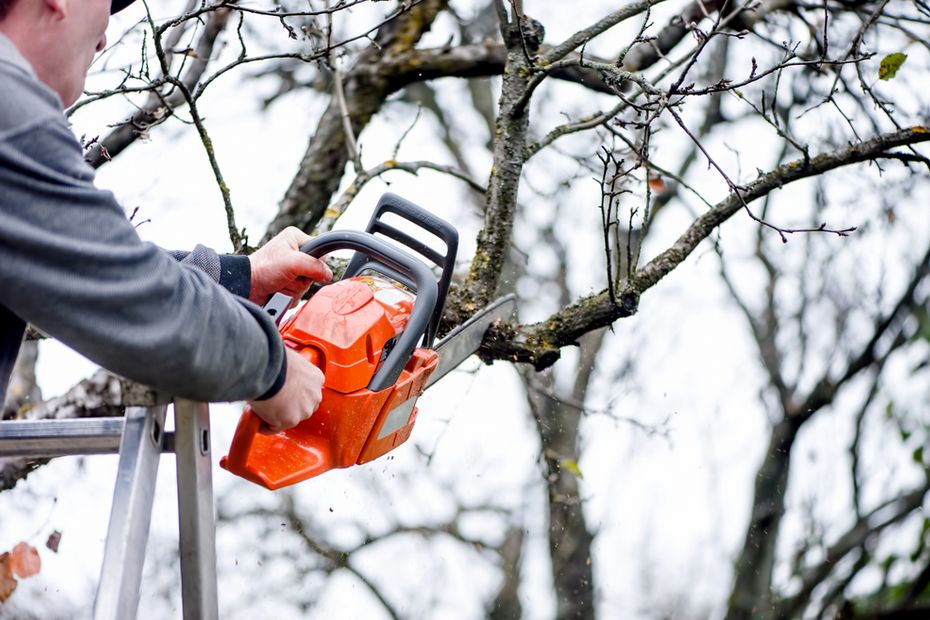
Why It Matters
Dormant-time pruning fosters vigorous spring growth. Cutting in late winter, before buds break, lets trees heal quickly, come spring, and push out fresh, strong shoots. Additionally, pests and diseases are generally inactive in cold weather, making clean cuts less likely to become infected.
Learn more about the best time to trim trees in Kansas City.
Better structure, fewer weak or crossing branches. Without leaves, you can see limbs clearly, spot dead or dangerous branches more easily.
Fruit and flowering results. Pruning certain fruit trees in winter improves yields the next season. For flowering shrubs or trees that bloom in spring on previous year’s wood, pruning right after their flowers fall preserves next year’s buds. Here’s a full guide on Kansas City tree pruning services.
Summer pruning for growth control or safety. In mid-summer, light trimming of overgrown branches or removing dead/damaged limbs helps with structure, safety, and can reduce disease risk by improving air circulation.
When to Do It (and When Not To)
- Late winter (Feb–March): best for most deciduous trees. Dormant phase, clean structure, low infection risk, strong spring response.
- Early spring: okay for cleaning up winter damage or pruning spring bloomers after flowering. But heavy pruning risks removing energy for new growth or flower buds, and may increase sap bleeding.
- Summer (mid-season): limited use. Remove dangerous or diseased branches, thin canopy to improve airflow, especially in fruit trees or for shaping, but avoid major structural cuts or pruning susceptible species like oaks and elms, because pests like beetles transmit diseases like oak wilt when wounds are fresh.
- Late summer to early fall: often the worst time. New growth may not harden before frost, wounds stay open into winter, and pests remain active. Insects, fungal spores, and energy storage all spike risks.
- Extreme weather (very hot or freezing): also poor timing. Stress from heat/drought or frost can worsen the response. Tools mis-cuts, delayed healing.
If you’re unsure, here’s a breakdown of how often trees should be trimmed.
How to Do It: Practical Facts
Tools: Use sharp shears, loppers, and pruning saws, depending on branch size. Keep them sterilized between cuts, between trees to avoid disease spread.
Technique: Cut just outside the branch collar (the swollen area at the trunk-branch junction) without damaging it. That collar is the tree’s natural barrier; it helps compartmentalize decay. If you cut into it, infection can enter and rot the trunk.
Don’t over-prune: Removing more than about 25–33% of the canopy at once stresses the tree. Avoid topping. Topping causes dense suckers, wounds that don’t properly heal, decay zones, and starvation of roots. See why tree topping in Kansas City is not recommended.
Species and Timing Specifics
- Fruit trees (apple, pear, stone fruits): winter or early spring is best. Light summer pruning for fruit quality. Avoid heavy cutting too close to harvest or in late fall.
- Flowering shrubs/trees: if bloom on old wood (late spring bloomers), prune right after flowering. If there is new growth, then late winter is fine.
- Bleeders (maple, birch, walnut): winter pruning causes sap bleeding, not fatal but messy. Better to prune during summer.
- Evergreens: light pruning late winter or early spring, or late spring/early summer for shaping, but avoid heavy cuts into old wood — it may not regenerate.
For evergreens, here’s a guide on the best time to trim pine trees.
Common Mistakes
- Pruning at the wrong time: late summer or fall invites disease, freezes, waste of energy; spring pruning that’s too heavy disrupts bud formation.
- Using dull or dirty tools leads to ragged cuts, slow healing, and disease spread.
- Cutting into the branch collar or too close/wrong angle: destroying natural defence, invites decay.
- Overpruning or topping: weakens trees, encourages suckers, and potentially causes dieback.
- Ignoring species differences: not all trees respond the same. For example, oaks should be pruned in winter to reduce oak-wilt risk; maples, birch bleed sap if pruned early.
Check this guide on the difference between trimming and pruning.
Consequences of Bad Trimming
- Increased pest/disease invasion: wounds attract insects, fungus; summer cuts are especially risky on oaks and elms.
- Winter dieback: if new shoots don’t harden in fall before frost, they die and can worsen injury.
- Reduced flowering/fruiting: Pruning at the wrong time removes buds or harvest potential.
- Decay and structural weakness: poor cuts or topping lead to decay, poor wound closure, and broken limbs.
Here’s why tree health pruning is important.
Summary
Trim (prune) routinely but smartly. Late winter: safest and most beneficial for deciduous trees. Summer: limited, corrective trimming. Avoid late summer, fall, and extreme conditions.
Tools matter: sharp, clean, appropriate. Cuts matter: just outside the branch collar, no topping, don’t remove too much.
Know your tree. Fruit, flowering, evergreens, and bleeders all have different timing needs.
Mess it up wrong, and you get pests, disease, dieback, weak structure, and poor fruiting. Do it right, and you’ll get stronger, more productive, and healthier trees.
Jose Maldonado
Owner, Omar Tree Service LLC
Located: 3020 Bellaire Ave, Kansas City, MO
Phone: +1 (816) 694-6352
READ MORE
Importance of Proper Pruning for Tree Health