

If you’ve ever been to a yard and seen a tree that didn’t feel quite right, it could be that the tree’s symmetry is off. Something like this happens to people as well. Balance is not perfect. As people’s branches grow in various directions, while others are exposed to breezes or a single warm side, they can flare and relax. This is precisely the point at which trimming is essential to the discipline of tree trimming.
Let’s discuss today the effect of trimming tree branches to improve symmetry and what it can do to the yard. It could be beneficial to the yard, but more importantly, it keeps the tree in place. Rest assured, this will not be a boring lecture with excessive information. Rather, it’s like a conversation that two people whose sole aim is to keep trees in the best possible shape have.
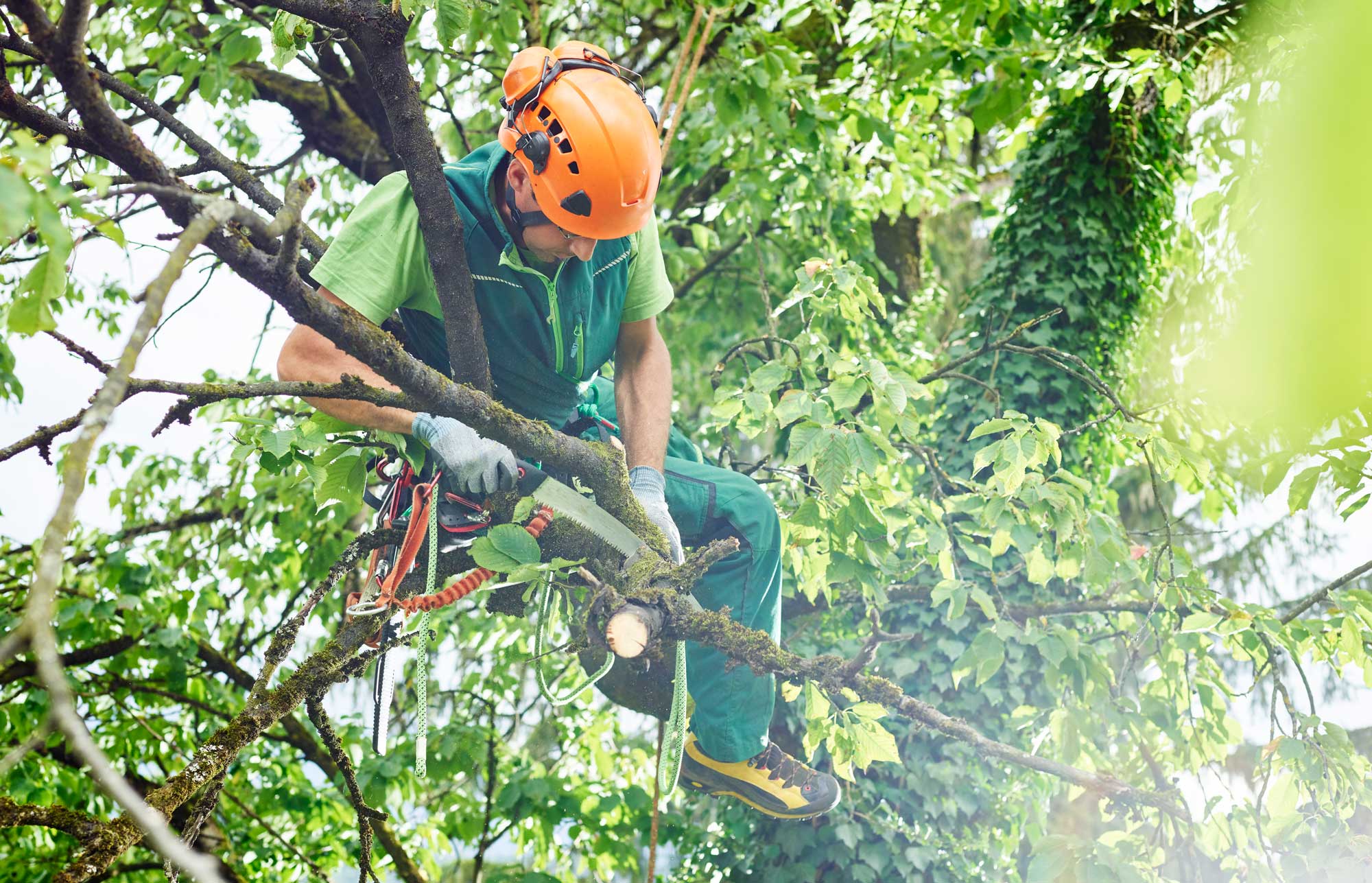
Why Tree Symmetry Matters
Imagine a house, zooming in on an oak in the front yard, and note the lopsidedness. One side dwarfs the other, stretching and spilling over the driveway. This doesn’t just look a little strange; it is also a nuisance. Dark, clogging, and rough, the branches of the side leaning over the driveway could rub and scrape. This could result in a car collision or worse—getting the branches broken off in a storm.
There are many factors when it comes to trees and symmetry. These include the following:
- Balance: Prevents the tree from leaning too dangerously or becoming top-heavy.
- Health: Trimming redirects the energy spent on weaker branches to catch up.
- Safety: A disciplined tree is less inclined to lose heavy limbs in windy settings.
- Curb Appeal: A tree that is trimmed and shaped neatly and symmetrically boosts the property’s charm.

If you want to improve your property’s look, learning about the benefits of regular tree trimming is the best first step.
The Natural Growth Struggle
The other side of it is that trees do not pursue symmetry; they pursue sunlight, nutrients, and survival. If one side of the yard is more illuminated, the branches on that side might grow longer and thicker. If a storm shattered a large limb last year, growth may have reoriented in the other direction.
These little shifts, unaccompanied, have a cumulative impact. After some time, a tree may start to appear unsteady or even unstable. This is precisely the reason trimming is so crucial—it is one way to correct that imbalance and promote tree health through pruning.
Trimming: The Secret to Tree Symmetry
Think of trimming like giving your tree a haircut. When done correctly, a tree will look even, neat, and in proportion. Like every barber’s haircut, trimming depends on the type of tree and the situation.
Ways trimming helps symmetry:
- Selective branch removal: Eliminates overextended limbs.
- Canopy thinning: Improves light penetration.
- Directional pruning: Guides growth into balanced distribution.
- Crown shaping: Gives a rounded or oval form for aesthetics.
For more details on professional work, check out our Kansas City tree pruning services.
Essentials of Arborist Craftsmanship
Symmetry-focused trimming requires the right tools and refined sharpness:
- Hand pruners for small branches.
- Loppers for tougher limbs.
- Pruning saws for thicker portions.
- Pole pruners for higher cuts.
Using the wrong tools—or worse, dull blades—can damage a tree. This is why many homeowners prefer calling a pro for professional trimming services.
Step-by-Step: Trimming for Symmetry
Imagine you and I are standing in your yard:
- Step back and observe. Does one side look heavier?
- Target problem areas. Identify branches that extend too far.
- Start small. Work with twigs and thin branches first.
- Work incrementally. Don’t cut too much at once.
- Aim for balance. Not a perfect ball shape, but evenness.
- Avoid over-trimming. Never remove more than 25% of the canopy.

If you’re unsure, you can always review our guide to the difference between trimming and pruning.
Common Blunders to Keep in Check
To avoid creating a horror story in your yard:
- Topping: Never cut the top off a tree—it weakens the structure.
- Uneven cuts: Always cut just outside the branch collar.
- Over-trimming: Too much trimming stresses the tree.
- Ignoring tree type: Some species bleed sap if pruned at the wrong time.

Learn more about common tree diseases and prevention through trimming to avoid long-term damage.
The Health Connection
Trimming is not just cosmetic. Uneven branches can block airflow, trap moisture, and encourage fungal infestations. By shaping the tree properly, you improve circulation and sunlight exposure.
Healthy trimming practices directly connect to stronger, longer-living trees.
When You Use an Expert’s Services
Some trimming jobs are fine for DIY, but tall trees, sick trees, or those near power lines require a pro. Hiring an ISA-certified arborist in Kansas City ensures:
- Safe climbing and equipment use.
- Proper long-term cuts.
- Structural assessments.
- Peace of mind.

It’s an investment that protects both your trees and your property.
The Benefit: An Attractive, Balanced Landscape
Balanced trees are more than just “good-looking.” They:
- Boost curb appeal and home value.
- Provide safer surroundings in storms.
- Offer even shade across the yard.
- Enhance overall landscape design.
To see this in practice, take a look at our shaping trees for aesthetic appeal guide.
Final Thoughts
Trimming a tree is both science and art. It supports health, safety, and beauty. Next time you notice a crooked oak or lopsided elm, remember that trimming restores balance and extends its lifespan.
If the job feels overwhelming, trust the experts. Whether it’s tree trimming in Kansas City or specialized pruning, your yard will thank you for it.
Jose Maldonado
Owner, Omar Tree Service LLC
Located: 3020 Bellaire Ave, Kansas City, MO
Phone: +1 (816) 694-6352
READ MORE